Workplace deaths and serious claims: the risks Australian businesses need to confront
Safe Work Australia’s latest national figures give employers a stark message: the most serious harm at work continues to come from hazards that are familiar—and often preventable.
There were 222 traumatic workplace deaths in 2025, the highest annual total since 2012 and above the five-year average of 197. Men accounted for 206 deaths. Workers aged 65 and over had the highest fatality rate of any age group: 5.5 deaths per 100,000 workers, more than three times the overall rate. Safe Work Australia’s 2026 statistics
Distance can magnify the consequences
The report found that fatality rates rose with remoteness. Workers in Very Remote Australia were around eight times more likely to die from a traumatic work injury than the national average. The report points to differences in industries, jobs and working conditions, and notes that being further from specialist medical care and emergency response may make a serious incident more likely to end in death.
Transport is a particular concern across that geography. Vehicle incidents caused 92 worker deaths, or 41% of the total, and transport, postal and warehousing recorded 61 deaths—the highest count of any industry.
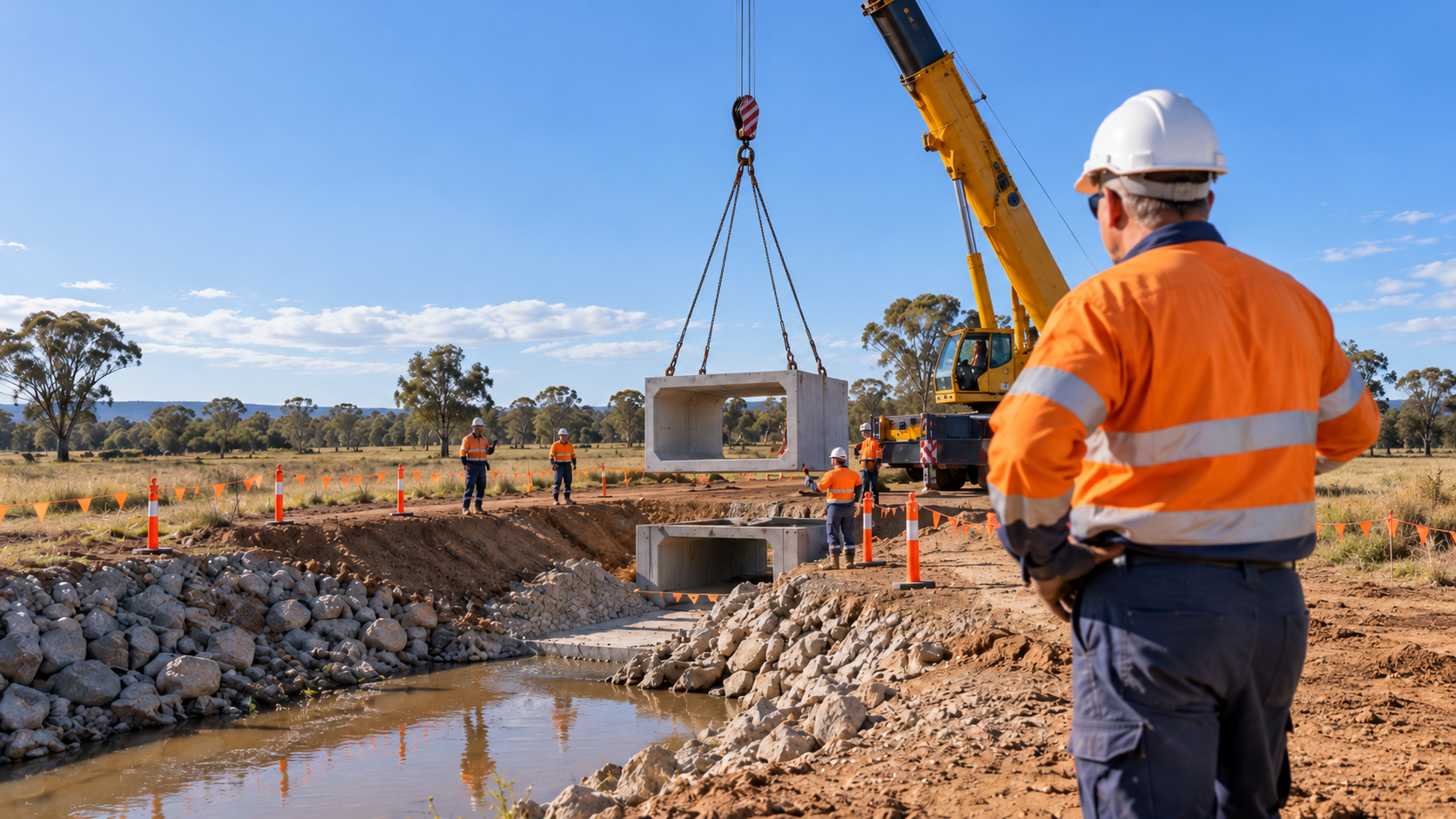
Falling objects also deserve attention. They caused 21 deaths in 2025, while falls from height caused another 28. Both mechanisms are commonly associated with construction work. The figures are a reminder to assess how vehicles, loads, work at height and people on the ground interact, including during routine work and changing site conditions.
The business impact extends beyond fatalities
The report recorded about 147,200 serious workers’ compensation claims in 2024–25, each involving at least a week away from work. The median compensation paid was $19,000, but costs and recovery times vary substantially by claim type.
Mental health conditions made up 12.2% of serious claims—17,900 claims—with median compensation of $68,600 and median time lost of 34.8 weeks. Since 2014–15, serious mental health claims increased by 169%. Musculoskeletal conditions accounted for 24,000 claims, with median compensation of $26,200 and median time lost of 12.8 weeks.
The four injury mechanisms behind 85% of serious claims were body stressing, falls, slips and trips, being hit by moving objects, and mental stress. These figures make prevention a practical business concern: poor controls can mean serious harm to workers, time away from work and substantial compensation costs.
Put controls into everyday work
Businesses should review whether their controls match the actual risks: vehicle movements and journeys, loads and exclusion zones, work at height, manual tasks, slips and trips, and psychosocial hazards. For remote jobs, emergency communications and access to timely assistance also need to be part of the plan.
A policy or toolbox talk only helps if workers can follow it in the conditions they face. Check that equipment, supervision, training and work planning support the controls—and revisit them after incidents, near misses or changes to the job.
Source: Safe Work Australia, Key Work Health and Safety Statistics Australia 2026. The fatality figures cover traumatic injuries sustained during work activity; the report excludes deaths from disease, natural causes and suicide.